

Table of Contents
Table of Contents
GoHighLevel A2P 10DLC approval can be rejected due to several compliance issues. In many cases, the problems come from having ambiguous opt-in language, missing website policies, or providing conflicting campaign data.
Most GoHighLevel A2P 10DLC compliance issues can be resolved by ensuring that the business information, opt-in procedures, website policies, and campaign data are properly formatted and provide sufficient information about the company’s SMS marketing efforts. This blog will discuss the most common GoHighLevel A2P 10DLC compliance issues and solutions.
GoHighLevel A2P 10DLC Overview
GoHighLevel A2P 10DLC is a registration framework for businesses using local 10-digit numbers to send SMS through GoHighLevel. It helps carriers identify business messaging and distinguish legitimate communications from unwanted SMS traffic.
Businesses using GoHighLevel for customer communication, lead follow-ups, reminders, or marketing texts should understand the A2P 10DLC registration requirements and ensure their SMS activities follow the applicable compliance standards.
Why Is A2P 10DLC Important?
The A2P 10DLC program helps carriers identify unauthorized and unwanted SMS traffic. In addition, the procedure helps marketers gain trust from their customers by providing the necessary information about their business and SMS practices. In this regard, companies that utilize GoHighLevel should understand why GoHighLevel A2P 10DLC compliance is important and the main problems that may arise during the registration process.
Businesses can also review the FCC’s consumer guidance on unwanted text messages to better understand the broader regulatory environment surrounding unwanted communications.
Common GoHighLevel A2P 10DLC Compliance Issues
1. Inconsistent Business Information
The most common GoHighLevel A2P 10DLC compliance issue involves incorrect or inconsistent business information. As a result, carriers may not be able to link the business with its website or other relevant information.
2. Inconsistent or Ambiguous SMS Opt-In
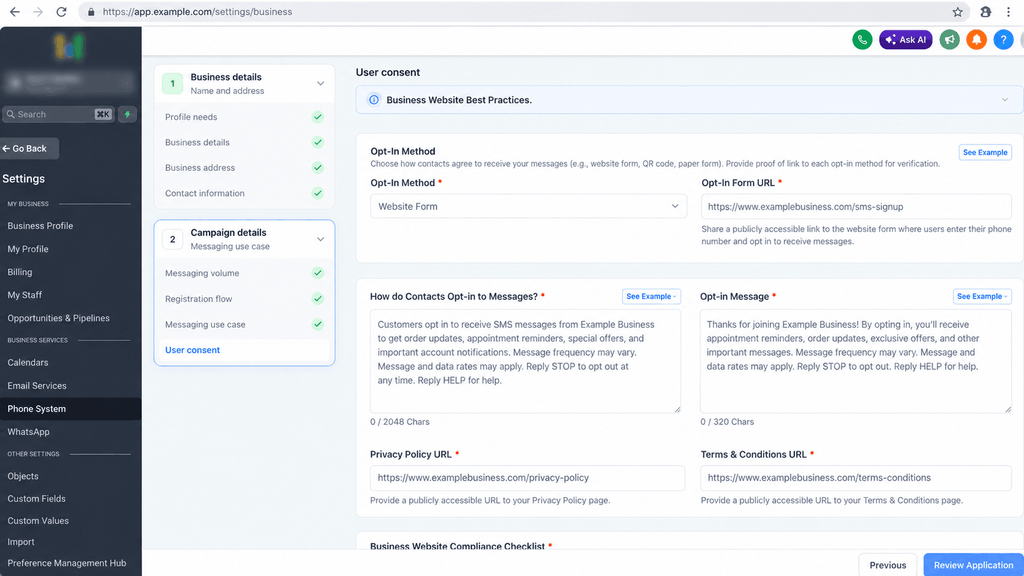
Another common problem that leads to GoHighLevel A2P 10DLC compliance issues is having an unclear SMS opt-in procedure.
Many businesses fail to provide the necessary information about how users can subscribe to the company’s GoHighLevel SMS service. Simply stating that customers will be able to opt in without explaining the actual process can create compliance concerns and make it difficult to establish how consent is collected.
3. Missing, Inaccessible, or Inconsistent Privacy Policy
A privacy policy serves as an essential element of any business, including companies that rely on A2P 10DLC SMS marketing. An unavailable or incomplete privacy policy is one of the GoHighLevel A2P 10DLC compliance issues that may affect campaign approval.
The policy should give visitors a clear understanding of how their information is collected and handled, particularly when phone numbers are involved.
4. Missing or Inconsistent Terms and Conditions
Similar to the privacy policy, the Terms and Conditions (T&C) section should be available for customers to review. The document should accurately represent the company’s services and A2P 10DLC SMS practices.
Missing or outdated Terms and Conditions can contribute to GoHighLevel A2P 10DLC compliance issues when they fail to explain a business’s services and SMS communication practices clearly.
5. Generic Descriptions
Using vague descriptions, especially when explaining the company’s SMS practices, can result in GoHighLevel A2P 10DLC compliance issues. For instance, simply stating that the business engages in customer communication does not clearly explain how SMS will be used.
According to Twilio’s campaign registration requirements, campaign descriptions should explain who is sending the messages, who receives them, and why the messages are being sent.
6. Inconsistent Sample Messages
GoHighLevel A2P 10DLC requires businesses to provide sample messages that demonstrate the type of communication customers will receive. Irrelevant or misleading examples can create questions about the intended use of the campaign.
For example, submitting promotional messages for an appointment reminder campaign can lead to GoHighLevel A2P 10DLC compliance issues because the sample messages do not match the campaign’s intended purpose.
7. SMS Consent Checkbox Default Checked
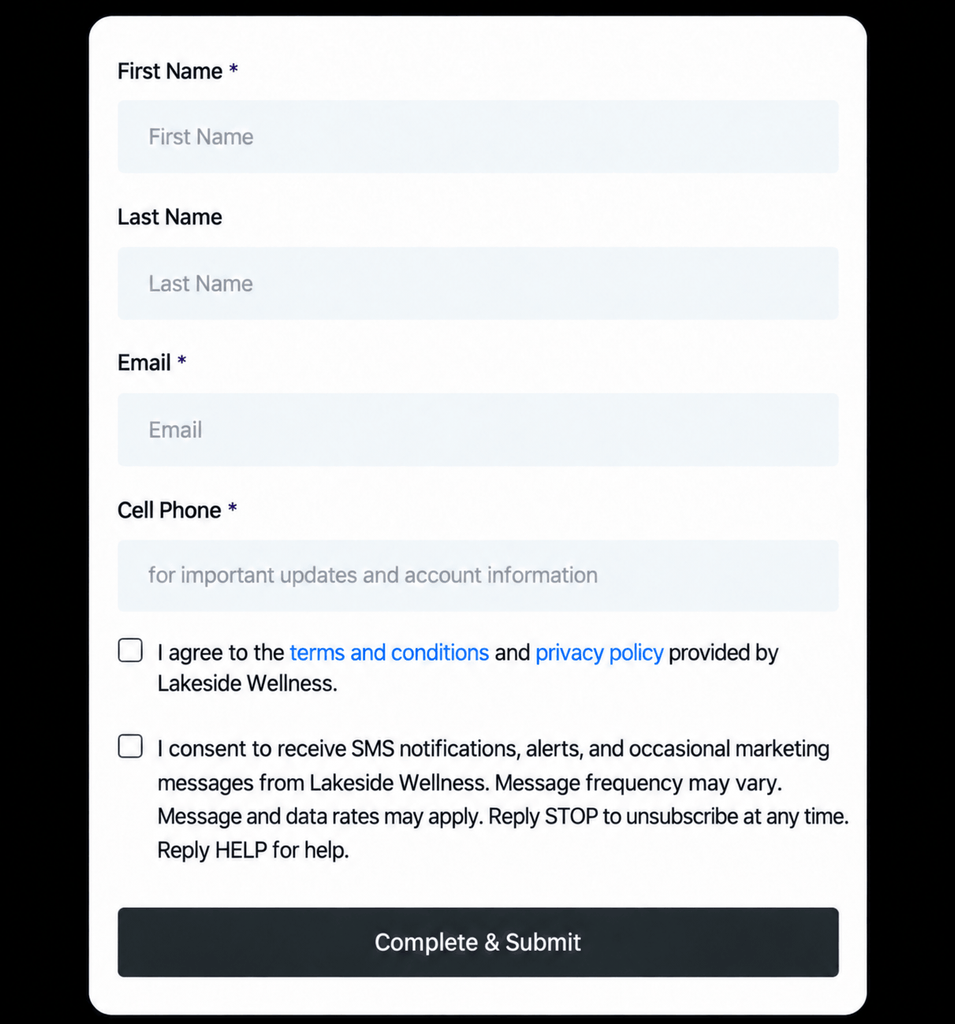
Many businesses offer customers the opportunity to opt in via a checkbox, such as when users submit a form or sign up for a newsletter. Automatically selecting an SMS consent checkbox can create GoHighLevel A2P 10DLC compliance issues, as customers must actively agree to receive business text messages.
Customers should be able to actively choose whether they want to receive SMS communications, rather than having consent selected for them automatically.
Twilio’s A2P 10DLC guidance on active opt-in specifically explains that messaging consent must be actively provided and that an opt-in checkbox should not be pre-selected.
How to Fix GoHighLevel A2P 10DLC Compliance Issues
1. Review Business Information
To resolve GoHighLevel A2P 10DLC compliance issues related to business information, compare the submitted registration details with the company’s official records and website. Look for differences in names, contact details, URLs, and other identifying information.
You can also review HighLevel’s official A2P Campaign Registration Guide before submitting or resubmitting your campaign.
2. Review Website
Next, make sure the website is active, accessible, and provides the information needed to understand the business and its SMS practices. Pay particular attention to the Privacy Policy and Terms and Conditions pages.
3. Review Opt-In
Examine the complete customer journey for collecting A2P 10DLC SMS consent. Check the wording, form fields, consent checkbox, and supporting disclosures to ensure customers can understand what they are agreeing to before providing their number.
Businesses should also review Twilio’s guidance on rejected opt-in processes, particularly where users must be able to decline SMS consent and still complete the primary action.
4. Verify Campaign Details
Review the A2P 10DLC campaign description, message flow, phone numbers, and sample SMS messages together. Each element should accurately reflect the actual communication customers will receive.
5. Address the Specific Rejection Issue
When resubmitting the A2P 10DLC application, focus on the reason provided for the rejection. Correcting the exact issue is generally more useful than making unrelated changes throughout the registration.
Businesses can review HighLevel’s A2P Campaign Registration Guide for the current registration process.
Common GoHighLevel A2P 10DLC Mistakes
1. Using Generic Information
Avoid using vague or broad information when registering for GoHighLevel A2P 10DLC. The registration should explain the business and its intended messaging activities in a way that is specific to the company.
2. Website Inconsistency
Information presented on the website should support the details submitted during A2P 10DLC registration. Such differences can create GoHighLevel A2P 10DLC compliance issues, making it harder for reviewers to verify the business and its messaging campaign.
3. Copying Other Businesses’ Information
While templates can help with formatting, businesses should not copy another company’s registration information. A2P 10DLC campaign details should be based on the company’s actual services, customer journey, and messaging practices.
4. Treating Approval as a One-Time Task
A2P 10DLC approval does not mean businesses can disregard compliance afterward. SMS campaigns should continue to follow the practices and disclosures represented during registration. Changes to messaging, opt-in methods, or campaign use should also be reviewed carefully.
For additional information about A2P 10DLC registration and campaign requirements, businesses can refer to the official HighLevel support documentation.
Conclusion
GoHighLevel A2P 10DLC compliance issues can result from unclear registration details, weak consent practices, incomplete website information, or campaign details that do not accurately describe the intended SMS activity. Understanding these GoHighLevel A2P 10DLC compliance requirements can help businesses prepare their applications more effectively and reduce avoidable compliance problems.
Businesses should pay attention to the information they provide during registration and how their SMS campaigns operate after approval. If you are interested in professional assistance with resolving GoHighLevel A2P 10DLC compliance issues, you may consider turning to a well-reputed digital services agency that provides expert GoHighLevel solutions.
FAQs
How long does GoHighLevel A2P 10DLC approval take?
Approval time can vary depending on the registration details, campaign information, and whether additional review is required.
For the latest registration process, businesses can check the official HighLevel A2P Campaign Registration Guide.
Can a business use GoHighLevel SMS without A2P 10DLC registration?
Businesses using local 10-digit numbers for A2P messaging may need to complete the appropriate A2P 10DLC registration.
You can review Twilio’s A2P 10DLC overview for additional information about A2P messaging and 10DLC registration.
What information is needed for A2P 10DLC registration?
To avoid GoHighLevel A2P 10DLC compliance issues, businesses should provide accurate company information, campaign details, messaging purposes, SMS opt-in information, and representative sample messages.
Twilio’s A2P 10DLC campaign information documentation provides a detailed overview of the information used during campaign registration.
Can I resubmit my A2P 10DLC application after rejection?
Yes. You can correct the issue identified in the rejection and resubmit the application with the updated information.
For the current process, refer to HighLevel’s A2P Campaign Registration Guide.
What should A2P 10DLC sample messages include?
Sample messages should accurately represent the type and purpose of SMS communications customers will receive.
Can I change my SMS campaign after approval?
Significant changes to messaging, consent methods, or campaign purpose should be reviewed to ensure the registration remains accurate.
Is A2P 10DLC only required for marketing messages?
No. A2P 10DLC can apply to different types of business SMS, including notifications, reminders, and promotional communications.
Why can a legitimate business get rejected?
Even legitimate businesses can face GoHighLevel A2P 10DLC compliance issues when their registration information is incomplete, inconsistent, unclear, or difficult to verify.
For example, Twilio’s A2P rejection guidance identifies missing or non-compliant Privacy Policy information as one reason a campaign may fail vetting.
How can a digital services agency help with GoHighLevel A2P 10DLC compliance?
A digital services agency that specializes in GoHighLevel solutions can audit your registration, website, opt-in process, and campaign details to catch A2P 10DLC compliance issues early.