


Table of Contents
Table of Contents
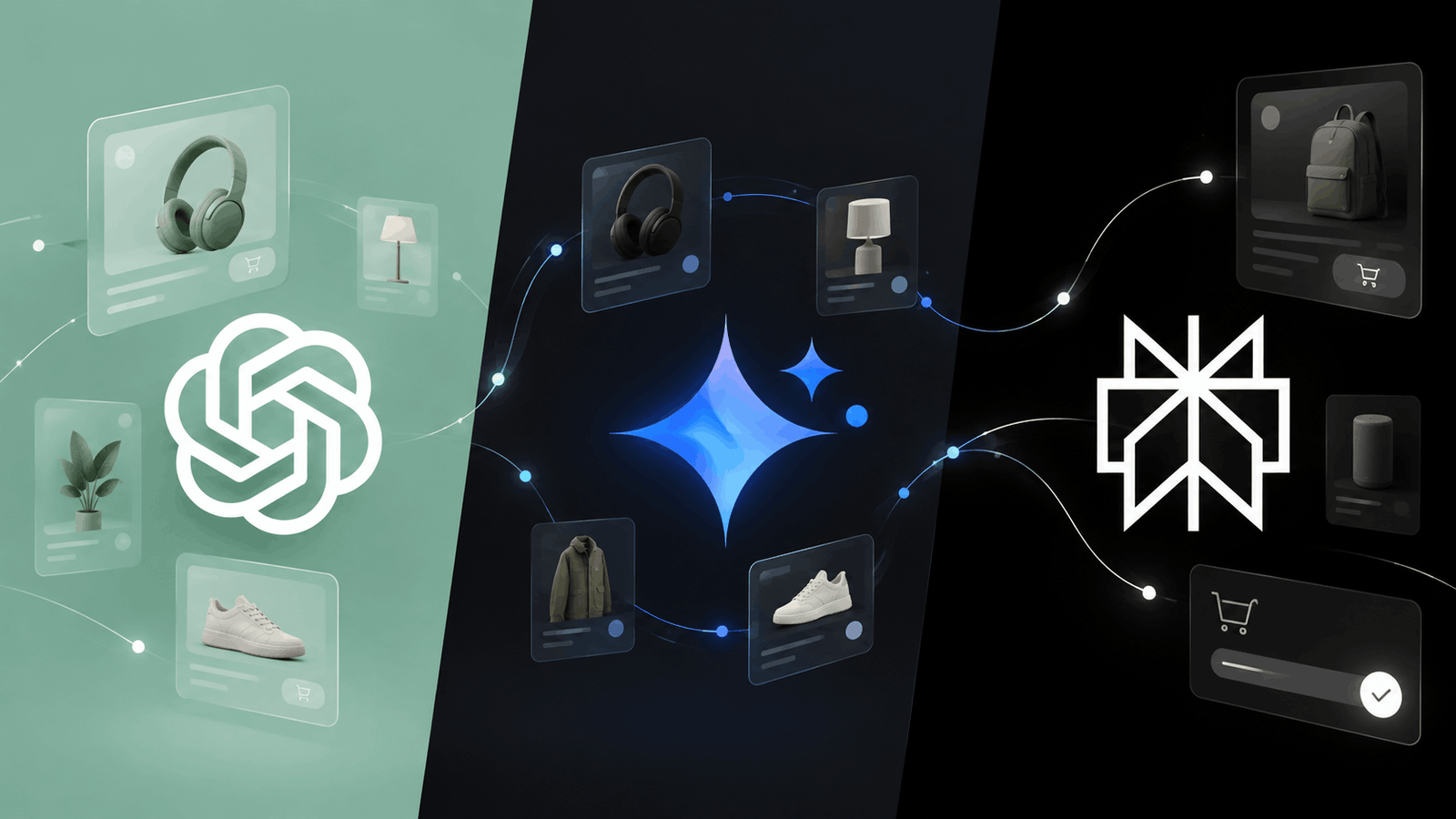
Ecommerce discovery is moving away from a simple search-and-click journey. A shopper can now open ChatGPT, Gemini or Perplexity, explain what they need in plain language, compare products, narrow a shortlist and, in some cases, move toward checkout without browsing a traditional category page first.
That is the practical meaning of agentic commerce.
For ecommerce brands, the change is bigger than one more traffic source. Agentic commerce changes where product decisions begin and what information an AI system needs before it can recommend a product.
Shopify reported that AI-driven traffic to Shopify stores grew eight times year over year in Q1 2026, while orders from AI-powered searches grew nearly thirteen times. AI shopping is quickly becoming a real ecommerce acquisition channel.
Quick answer
Agentic commerce is a model of online shopping where AI assistants help consumers discover, compare, select and sometimes purchase products through a conversation. ChatGPT, Gemini and Perplexity are becoming new ecommerce discovery surfaces because shoppers can describe intent instead of manually filtering hundreds of listings.
For merchants, winning in agentic commerce depends on more than search rankings. Product data needs to be complete, structured and current. Your store also needs clear product pages, reliable inventory information and policies that support shoppers arriving from AI platforms.
What does agentic commerce actually mean for ecommerce?
Traditional ecommerce usually starts with a keyword. A shopper searches Google, opens several stores, compares product pages and makes a decision.
Agentic commerce starts with intent.
A shopper might ask, “Find me a lightweight laptop under $1,200 with strong battery life for travel and photo editing.” The AI can interpret the budget, use case and features together, then refine the results as the conversation continues.
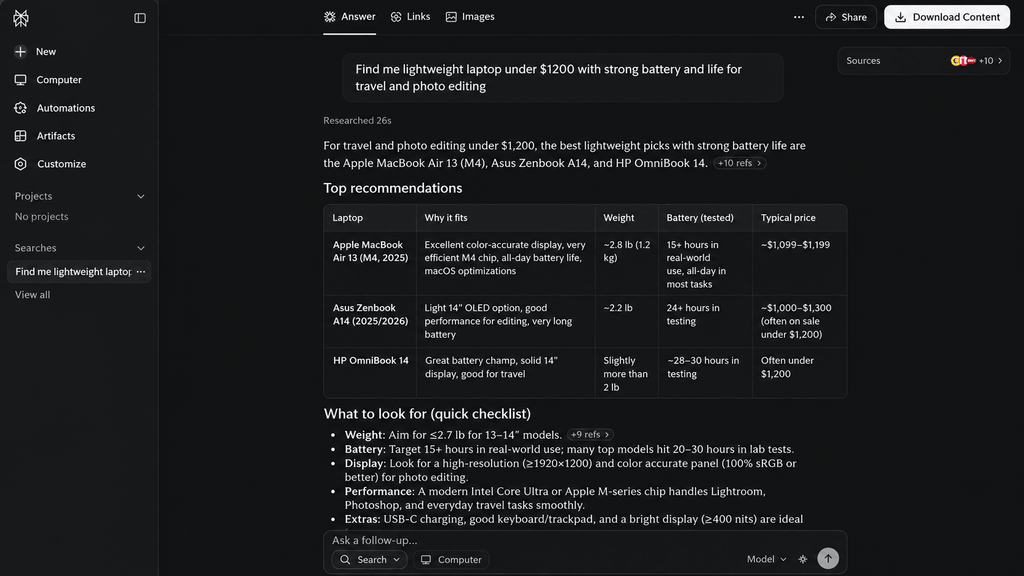
This changes discovery because the shopper is no longer doing all the filtering manually. The AI becomes part of the decision process.
OpenAI has expanded shopping in ChatGPT with richer product discovery and its Agentic Commerce Protocol, which gives merchants a structured way to provide catalog data. Google’s Universal Commerce Protocol supports commerce actions across surfaces such as Gemini and AI Mode in Search. Perplexity is also building agentic commerce around product cards, merchant product data and Instant Buy, which allows eligible shoppers in the United States to purchase products directly through the platform.
The common direction is clear. AI platforms want to shorten the distance between “I need something” and “I bought it.”
Where ecommerce discovery is starting to change
Search engines and marketplaces are not disappearing. What is changing is the first step.
A shopper who once searched for “best running shoes for flat feet” may now ask an AI assistant for three options based on foot type, budget, preferred brand, running distance and return policy.
In a traditional search result, a brand can win attention through a strong title, ad, ranking or image. In agentic commerce, the AI may present only a small shortlist. If your product is not understood well enough to make that shortlist, the shopper may never reach your website.
Brands are no longer competing only for rankings. They are also competing to become the product an AI system feels confident recommending.
How ChatGPT, Gemini and Perplexity are approaching shopping
The platforms are moving toward the same destination, but they are not taking exactly the same route.
ChatGPT is turning product research into conversation
ChatGPT shopping is built around questions, comparisons and personalized discovery. Shoppers can describe what they want, refine preferences and compare options in one conversation.
OpenAI says ChatGPT can surface product options based on shopping intent, while its shopping research experience can use merchant product data, public product information and other retail sources.
For merchants, that makes descriptions, attributes, variants and current catalog information more important. Agentic commerce in ChatGPT is about becoming part of the decision itself.
Gemini is connecting discovery with Google commerce
Google has a major ecommerce advantage through its Shopping Graph, Merchant Center and existing product feeds.
Through UCP, Google is building agentic commerce capabilities that connect product discovery, carts and checkout across AI Mode and Gemini. Google has also introduced Universal Cart, designed to let shoppers add products while moving across Google surfaces.
For retailers, feed quality matters more. Incomplete titles, inconsistent attributes or outdated pricing can limit how confidently AI presents a product.
Perplexity is connecting product research with direct shopping
Perplexity combines conversational product research with product cards that surface relevant items based on what a shopper asks.
Its Instant Buy experience allows eligible U.S. users to purchase supported products directly through Perplexity, while orders are still processed and fulfilled by the merchant. Perplexity also says merchants that provide richer details such as availability, pricing, reviews and specifications are more likely to be recommended by its answer engine.
That is an important signal. The better an AI system understands the facts around a product, the easier it becomes to recommend it with confidence.
What agentic commerce changes for your ecommerce store
The biggest change happens before the shopper reaches your site.
Your website may no longer control the first impression
A customer might first learn about your product through an AI-generated recommendation built from catalog data, merchant feeds, product pages and other sources.
Your brand still matters, but the information around it matters just as much.
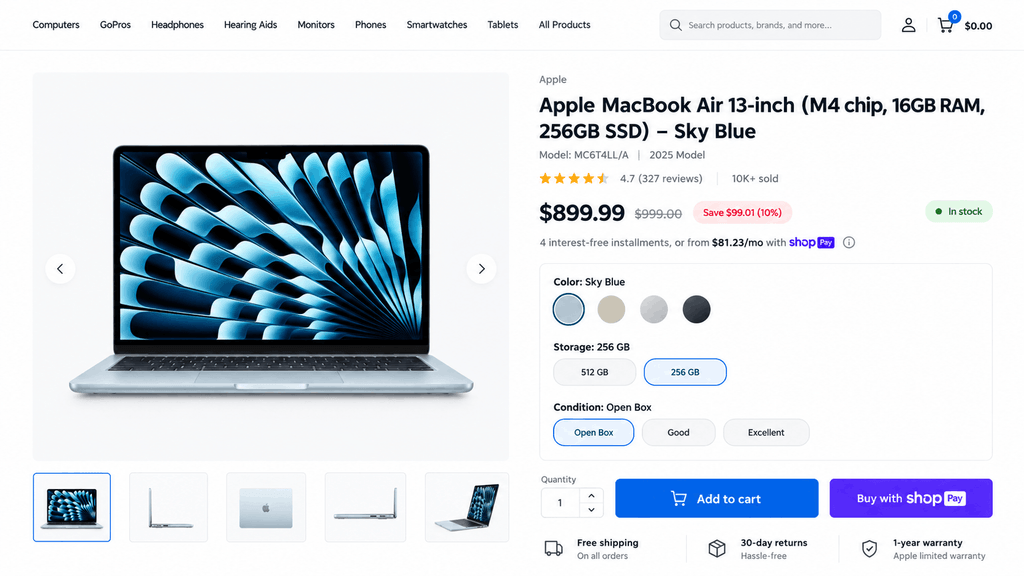
Product pages become confirmation pages
When shoppers arrive after an AI recommendation, they may already have a shortlist.
They may be checking whether the size is correct, shipping is fast enough, a product works with another device or the return policy matches what they were told.
A product page that takes too long to answer those questions creates doubt at the moment the shopper is closest to buying.
Product data becomes part of your marketing
In agentic commerce, specifications are not just backend fields.
Material, dimensions, compatibility, stock status, warranty, delivery options, variants and return policies can influence whether an AI assistant includes your product in a recommendation.
Data quality is becoming a growth issue, not only an operations issue.
What can break when AI recommends your products
Agentic commerce creates new opportunities, but it also makes old ecommerce problems easier to notice.
A feed may say an item is available while the website says it is sold out. A product page may list one specification while structured data lists another.
These are small problems until an AI repeats the wrong information to a customer.
The result is not just a technical error. It becomes a trust problem.
The better question is not only “How do we get listed in AI?” It is “Can every system reading our store reach the same accurate answer?”
How to prepare your store for agentic commerce
You do not need to rebuild your entire ecommerce stack. Start with the foundation.
1. Clean up your product data
Review the information that affects buying decisions. Make sure titles, descriptions, sizes, materials, variants, pricing and availability are complete and consistent.
Avoid leaving important details only inside images, PDFs or hard-to-access interactive elements.
2. Improve product page clarity
Write product pages for humans and machines.
Clear headings, useful specifications, FAQs, compatibility details and straightforward policies give AI systems stronger context and help customers confirm a purchase quickly.
3. Keep structured data accurate
Product, Offer, Review and other relevant schema can help machines understand a page.
The markup must match what shoppers see. If price, availability, ratings or variants change, the structured data should change too.
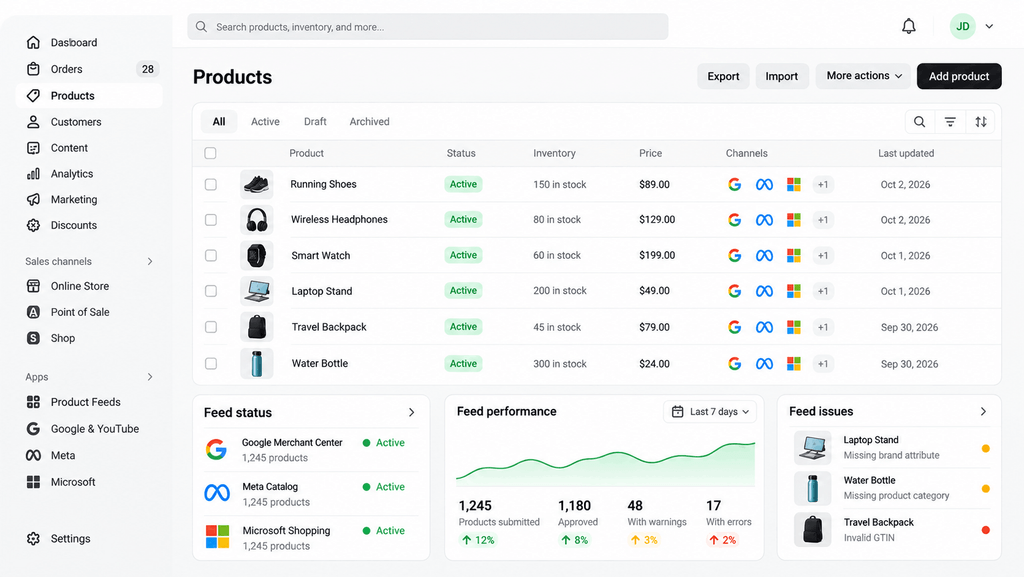
4. Strengthen merchant feeds
If you use Google Merchant Center, the Perplexity Merchant Program, Shopify Catalog or other commerce feeds, treat them as strategic assets.
Agentic commerce depends heavily on structured catalog information. Feed errors can affect whether your product appears in an AI-generated shortlist.
5. Create content around buying questions
AI shopping works well when consumers ask detailed questions.
Build comparison pages, compatibility guides, buying guides, use-case pages, sizing resources and category explainers. This helps AI systems connect products with real customer needs.
6. Track AI-assisted traffic and conversions
Track referrals, assisted conversions, revenue per session and the landing pages receiving AI-driven visits. Watch which products get discovered and which categories remain invisible.
Agentic commerce strategy should be based on customer behavior, not only on platform announcements.
What should ecommerce brands prioritize first?
It is tempting to focus immediately on AI checkout. That is the most visible part of agentic commerce, but it should not be the first project for every store.
Discovery comes first.
If ChatGPT, Gemini or Perplexity cannot understand your products correctly, a faster checkout will not solve the problem. Accurate product information, clean feeds, strong product pages, clear policies and reliable inventory data should come first.
After that foundation is working, brands can evaluate deeper agentic commerce integrations, conversational checkout and AI assistants based on their platform and customer journey.
Final thought
Agentic commerce is changing ecommerce discovery because the conversation is becoming part of the storefront.
Shoppers are no longer limited to searching, filtering and opening ten tabs. They can explain what they want and ask an AI system to narrow the market for them.
For ecommerce brands, that creates a new visibility challenge. Your products have to be understandable before they can be recommendable.
The brands that prepare early will not win simply because they added an AI tool. They will win because their product information is accurate, their commerce infrastructure is dependable and their content gives both shoppers and AI systems enough confidence to choose them.
Agentic commerce is still developing, but the direction is clear. The smartest move now is to strengthen the parts of your ecommerce operation that every AI shopping channel will depend on.
If your Shopify store is not structured for this new discovery journey, working with a trusted digital solutions agency can help you build a technically strong, AI-accessible ecommerce experience with cleaner product data, better structured information and a store architecture that makes it easier for platforms such as ChatGPT, Gemini and Perplexity to understand and surface your products. The goal is not simply to make your store look better, but to make sure both customers and AI systems can find, understand and trust what you sell.
Frequently asked questions
What is agentic commerce?
Agentic commerce is an ecommerce model where AI assistants help shoppers discover, compare, select and sometimes purchase products using the shopper’s intent, budget, preferences and constraints.
How can my products appear in ChatGPT, Gemini or Perplexity?
Start with complete product data, accurate merchant feeds, accessible product pages, strong structured data and content that answers specific buying questions. Platform requirements differ, but the foundation is similar.
Is agentic commerce replacing traditional SEO?
No. Ecommerce SEO and traditional discovery channels still matter. Agentic commerce adds another layer where brands need to be understood and trusted by AI systems.
Should every ecommerce brand invest in AI checkouts now?
Not necessarily. For many brands, improving product discovery is the better first step. Accurate data, useful product pages and strong feeds should come before complex checkout integrations.
Why is product data so important for agentic commerce?
AI systems rely on structured facts to compare products and determine relevance. Missing or inconsistent attributes make it harder for an AI assistant to recommend a product confidently.